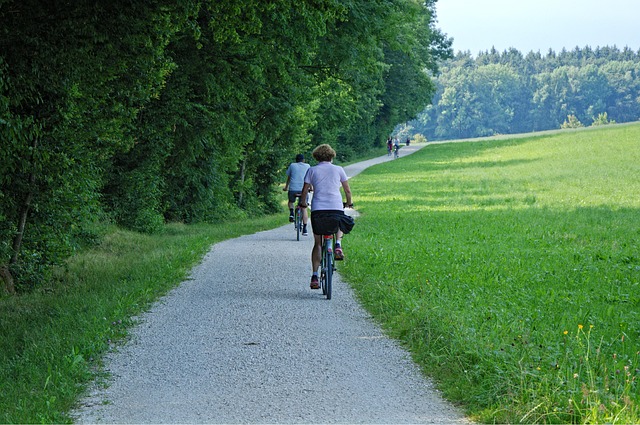
A workshop mindset, adapted for learning
Our content reflects real service-bay routines: pre-ride checks, common wear points, and small adjustments that help you ride smoothly. The goal is confidence and clarity, not jargon.
Educational content for hobby and everyday cycling. Always follow local road rules and manufacturer instructions for your specific bicycle and components.
What we do
Dublin Watch is an educational platform for cyclists in Ireland who want straightforward, practical guidance. We publish step-by-step learning materials and run workshop-style sessions that help riders build skills gradually. The emphasis is on safe habits, reliable equipment, and enjoyable outdoor riding, whether you cycle to work, train for a sportive, or explore gravel roads on the weekend.
Our approach is shaped by the industry background of Bike Gallery s.r.o., where everyday servicing meets real rider questions: why a brake rubs after transport, how tyre pressure changes with weather, and how small setup details influence comfort. We translate those workshop insights into beginner-friendly lessons, with clear terminology, photos, and checklists. You will find guidance on bike fit basics, pre-ride inspections, road positioning, trail etiquette, and the key maintenance tasks that keep a bike predictable. We also cover how to communicate in group rides, how to choose a safe route in urban areas, and how to prepare for Irish conditions such as wind, rain, and mixed surfaces. Our goal is a calm learning experience that respects different starting points and helps riders make informed decisions about riding and care.
Features and learning areas
A focused set of modules that match the most common questions from new and returning cyclists. Each topic is designed to be practiced safely and revisited when your riding changes.
Beginner maintenance
Learn the essentials: tyre pressure, chain care, bolt checks, and basic adjustments. Designed for home setups with common tools and clear safety notes.
Safe city cycling
Positioning, signaling, junction routines, and visibility habits. We explain predictable riding choices and how to plan calmer routes in busy areas.
Mountain and gravel basics
Braking control, cornering basics, line choice, and trail etiquette. Focused on progressive practice and respect for shared outdoor spaces.
Workshops and community
Small-group sessions and a community learning approach. Share questions, learn from common scenarios, and build confidence through repetition.
How it works
A clear path from reading and practice to workshop support. Start with fundamentals, then add skills that match the riding you want to do in Ireland.
Practical learning principles
- Short practice blocks you can repeat on familiar routes.
- Maintenance checklists that reduce surprises and help you notice wear.
- Safety notes for traffic, weather, and shared-use paths.
-
1
Choose a learning track
Start with “City Confidence”, “Maintenance Essentials”, or “Off-Road Foundations”. Each track links to short lessons so you can learn without feeling overloaded.
-
2
Practice with checklists
Use our pre-ride check and skill drills to build consistent habits. We focus on repeatable cues: where to look, when to brake, and how to stay predictable.
-
3
Join a workshop session
Workshops reinforce technique and maintenance in a supportive setting. Sessions cover setup, braking and shifting basics, and common fixes you can do at home.
-
4
Ask questions and refine
Use the contact form to share what you are working on. After submission, we review your message and reply by email with suggested next steps and relevant guides.
Cycling culture in Ireland
Ireland offers a mix of city infrastructure, coastal roads, greenways, and forest trails. Good riding comes from respectful road behavior, practical weather planning, and a bike that is set up for the surfaces you ride. We emphasize route choice, visibility, and communication so that cycling stays enjoyable in changing conditions.

Contact and workshop interest
If you want guidance on where to start, tell us what type of riding you do and what you would like to learn. We only use your details to respond to your inquiry and to keep a simple record of the request for follow-up.
What happens after you submit
- We review your message and reply by email with relevant guides or workshop options.
- We aim to respond within standard business days. Response times can vary during peak periods.
- Your information is not sold. You can request deletion anytime via the contact details in our Privacy Policy.
Based in Dublin
Educational sessions and guidance for Irish riding conditions. For details, visit the contact page.
Contact detailsSelf-paced learning
If you prefer to start independently, follow our guides with checklists and simple tool recommendations.
Start with guidesFAQ
Common questions from new riders, returning cyclists, and anyone who wants to understand basic bike care. If you cannot find your answer, send a message through the contact form.
Do I need a specific type of bike to start learning?
No. Most lessons work for city bikes, hybrids, road bikes, and basic mountain bikes. We highlight where setups differ, such as tyre pressure ranges and braking feel, so you can adapt safely to your bicycle.
What are the first maintenance tasks I should learn?
Start with tyre pressure, quick visual bolt checks, chain lubrication basics, and brake function checks. These routines help you avoid common issues and make your rides more predictable.
How do you handle guidance for cycling in traffic?
We focus on predictable road behavior: scanning habits, clear signaling, lane positioning, and junction routines. We also discuss route planning for calmer streets and greenways where available, while reminding riders to follow local rules.
Are mountain and gravel lessons suitable for beginners?
Yes, if you start with fundamentals such as braking control, body position, and looking ahead. We recommend easy terrain first, then progressing gradually. Trail etiquette and respect for shared spaces are part of every module.
What should I bring to a workshop?
Bring your bicycle (if applicable), a helmet, and weather-appropriate clothing. If the workshop is maintenance-focused, we may suggest a basic toolkit in advance. We keep instructions practical and suitable for common equipment.
More questions?
Visit the FAQ page for detailed answers, or use the contact form.
Disclaimer
The information on this website is for informational and educational purposes only. It does not replace professional bicycle servicing, manufacturer instructions, or formal road-safety training. Cycling involves risk, including the risk of injury and damage to equipment. Always follow the Rules of the Road applicable to your area, wear appropriate safety gear, and consult a qualified mechanic if you are unsure about any repair, adjustment, or component compatibility.